
The evolution of gambling tracing historical milestones and cultural impacts
The Origins of Gambling
The roots of gambling can be traced back thousands of years to ancient civilizations such as the Chinese, Romans, and Greeks. Archaeological evidence suggests that dice made from bones were used in China around 3000 BC, indicating that games of chance have been a part of human culture for millennia. The Romans also had their share of gambling, with various games played during their expansive empire, often linked to betting on gladiatorial contests and chariot races, which were pivotal in their society. Today, enthusiasts can even engage in exciting online options like Ice Fishing, enhancing their gaming experience.

Gambling evolved significantly in the Middle Ages, with the introduction of card games in Europe. Cards were first seen in Italy during the 14th century, quickly gaining popularity across the continent. The emergence of card games added a layer of complexity and strategy to gambling, transitioning it from purely chance-based activities to more skill-driven pursuits. This shift laid the groundwork for modern gambling practices, showcasing how cultural exchange and innovation influenced the evolution of gambling.
By the 17th century, gambling had become a staple in European culture, with the establishment of gambling houses and the introduction of lotteries. The French refined many aspects of gambling, including the creation of various casino games such as baccarat and roulette. These developments highlighted the role of societal norms in shaping gambling practices, as it became more formalized and regulated, paving the way for modern casinos and gambling establishments.
The Rise of Modern Casinos
The 19th century marked a turning point for gambling with the establishment of the first modern casino in Venice, Italy. This venue transformed gambling into a more glamorous affair, attracting the elite and wealthy. The concept of the casino spread throughout Europe and eventually reached America, where the first legal gambling halls opened in New Orleans in the early 19th century. The allure of these establishments drew both local patrons and tourists, driving the popularity of gambling.
Las Vegas emerged as the gambling capital of the world in the mid-20th century, largely due to its legalization of gambling in 1931. The construction of lavish casinos and resorts transformed the city into a hub for entertainment, drawing visitors from across the globe. This development not only impacted the gambling industry but also shaped Las Vegas’ identity as a cultural icon, symbolizing freedom and indulgence in American society.
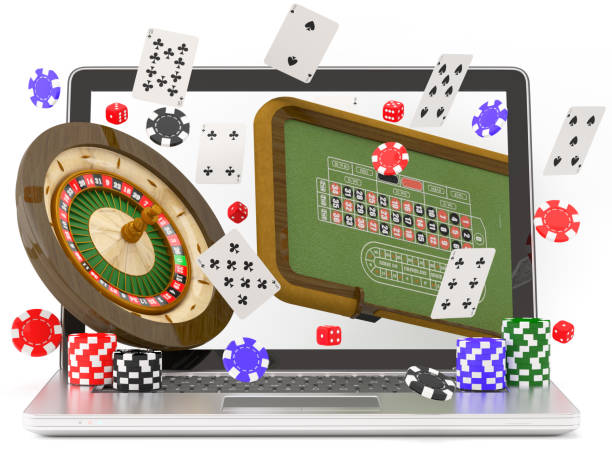
As technology advanced, so did the gambling landscape. The rise of online casinos in the late 20th century created new opportunities for gamblers, enabling them to play from the comfort of their homes. This shift democratized access to gambling, allowing a broader audience to engage in various games and wagers, and ultimately changing the way people interacted with gambling, emphasizing convenience and accessibility.
Cultural Impacts of Gambling
The cultural implications of gambling are profound, influencing various aspects of society, including art, literature, and psychology. From Shakespeare’s plays to modern films, gambling has often been a metaphor for risk-taking and chance, revealing human nature’s complexities. Literature often explores themes of luck and fate, demonstrating how gambling reflects broader societal values and conflicts.
Additionally, gambling has significant psychological impacts on individuals and communities. The thrill of winning can lead to addictive behaviors, impacting personal relationships and financial stability. Conversely, responsible gambling can foster social connections and community engagement, with local establishments serving as gathering places for friends and family. This duality highlights the need for responsible gaming measures to ensure that gambling remains a source of entertainment rather than distress.
Moreover, gambling has played a crucial role in shaping economic landscapes. Many regions have benefited from the revenue generated by casinos and lotteries, funding public services and community projects. However, this economic dependency can lead to ethical dilemmas and discussions about the social cost of gambling. Striking a balance between economic benefits and potential societal harm remains a critical consideration in contemporary discussions about gambling.
The Future of Gambling
As technology continues to evolve, the future of gambling appears to be shifting towards virtual and augmented reality experiences. These innovations promise to enhance player engagement and create immersive environments that blur the lines between reality and gaming. The integration of advanced technology could attract a new generation of gamblers, fostering increased participation and interest in gambling activities.
Mobile gaming has already revolutionized how people engage with gambling, with apps and platforms allowing users to place bets and play games anytime and anywhere. This convenience is likely to expand further with the integration of cryptocurrencies and blockchain technology, providing safer and more anonymous transactions. The evolution of payment methods will likely reshape the gambling landscape, attracting a more diverse player base.
Furthermore, responsible gambling initiatives will play an increasingly vital role in the industry’s future. As awareness of gambling addiction grows, operators will need to implement more robust measures to promote safe practices. This evolution towards a more socially responsible gambling environment could enhance the industry’s reputation and ensure its sustainability for future generations.
Conclusion: Understanding Gambling Today
The evolution of gambling is a fascinating journey that reflects the complexities of human nature, societal values, and technological advancements. From its ancient origins to the modern-day online casino experience, gambling has transformed significantly, influencing cultural narratives and economic structures. As we look to the future, understanding these historical milestones can provide valuable insight into the ongoing changes within the gambling landscape.
Today, the world of gambling is more accessible and varied than ever, with countless options for players to explore. Whether through traditional casinos or innovative online platforms, gambling continues to shape lives and cultures. Engaging with this evolution not only enriches our understanding of human behavior but also emphasizes the importance of responsible gaming practices in ensuring a healthy relationship with gambling.